Tina Lang · 2 November 2026
Uncovering Economic Patterns in the Distribution of Rare Flora Extracts Across Emerging Wellness Markets
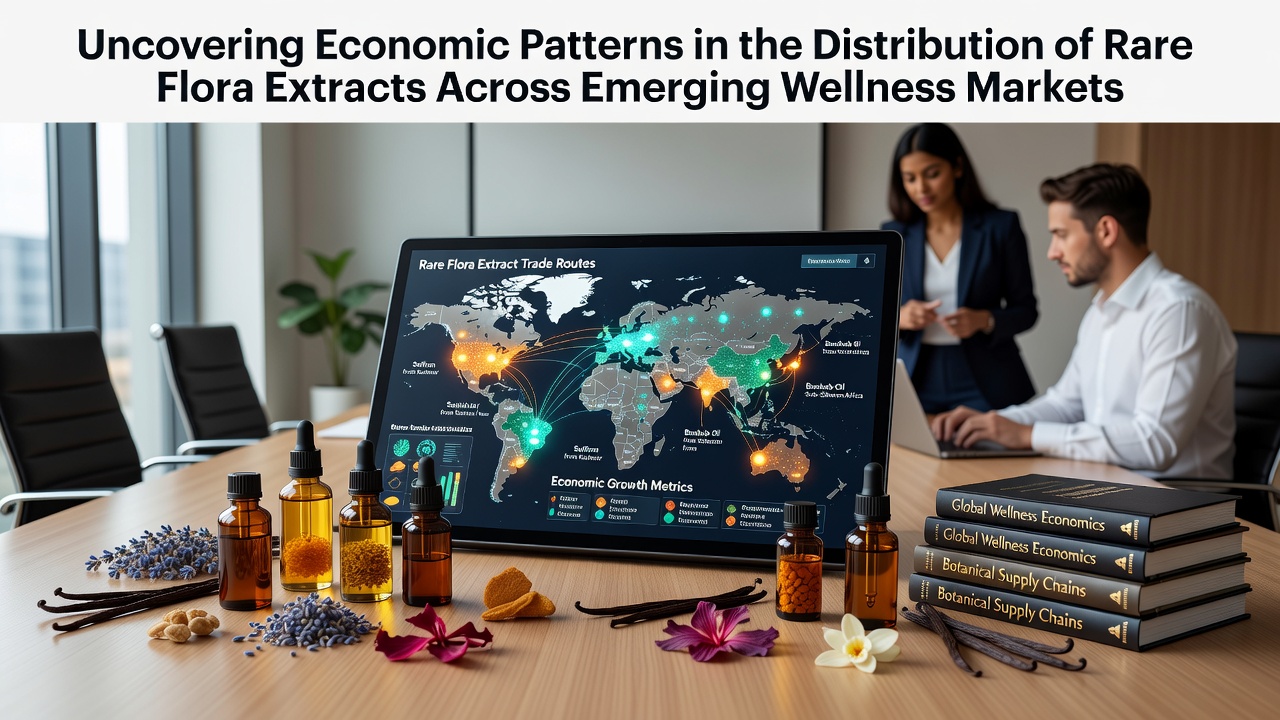
Market analysts track how rare flora extracts move through supply networks that connect remote harvesting regions to urban wellness centers, and data from industry reports highlight consistent growth in demand across Asia, Latin America, and parts of Africa since the early 2020s. Trade statistics indicate that extracts from plants such as those native to high-altitude zones and rainforest understories command premium pricing when routed through specialized distributors who maintain cold-chain logistics and certification processes.
Market Expansion Trends in Key Regions
Researchers monitoring wellness sector performance note that emerging markets in Southeast Asia and Eastern Europe recorded compound annual growth rates above 8 percent for botanical ingredient imports between 2023 and 2025, with projections extending into late 2026 showing continued upward trajectories. Government trade databases from Canada and Australia reveal parallel increases in volumes of high-value extracts entering local formulation facilities, where manufacturers blend them into supplements and topical products sold through pharmacy chains and direct-to-consumer platforms.
Distribution costs vary sharply by geography, and observers note that shipping expenses from South American sourcing areas to European processing hubs rose by roughly 15 percent during 2025, influenced by fuel price fluctuations and updated phytosanitary requirements. In contrast, intra-Asian trade corridors maintained steadier margins because shorter transit times reduced spoilage risks for temperature-sensitive materials.
Supply Chain Economics and Pricing Structures
Price modeling conducted by academic teams at several universities demonstrates that scarcity signals from wild-harvested species drive auction-style bidding among intermediary buyers, which in turn creates layered markups before products reach end markets. Figures from the European Medicines Agency show that certified extracts can fetch three to five times the farm-gate value once they clear quality verification steps and enter branded wellness lines.
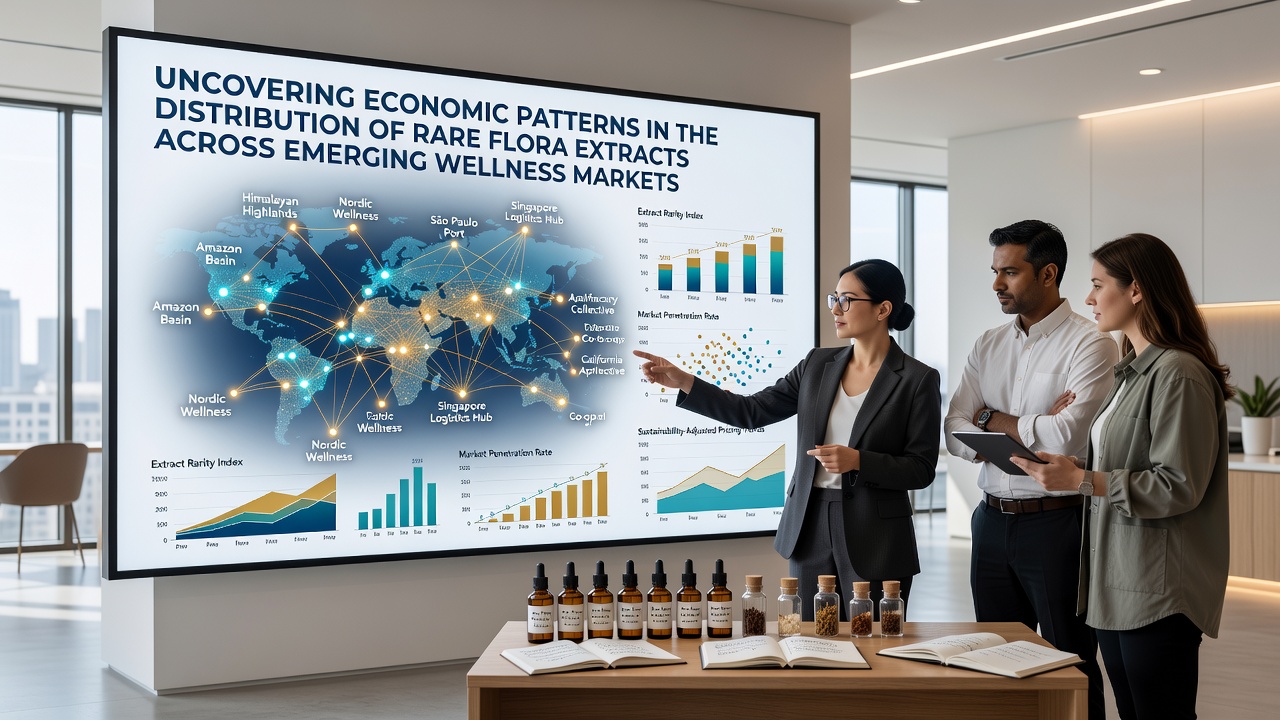
Logistics providers have adapted by forming regional hubs in locations such as Singapore and São Paulo, where consolidation of smaller shipments lowers per-unit transport fees. Those hubs also facilitate compliance documentation that satisfies import rules in destination countries, and data compiled through 2025 indicates this approach cut average delivery times by nearly two weeks for many product categories.
Influence of Certification and Traceability Requirements
Traceability systems adopted by large wellness brands now incorporate blockchain records that document each transfer point from collection site to final packaging, and studies published in peer-reviewed journals report measurable reductions in counterfeit incidents where these tools operate. Regulatory updates scheduled for implementation in November 2026 across several jurisdictions are expected to mandate additional origin verification steps, which analysts predict will further concentrate market share among suppliers already equipped with digital tracking infrastructure.
Cost-benefit assessments performed by industry associations in New Zealand and South Africa indicate that smaller producers face higher relative expenses when meeting upgraded standards, leading some to form cooperatives that share certification overhead. Larger operations, meanwhile, leverage economies of scale to absorb the same requirements while maintaining competitive export pricing.
Emerging Market Consumer Demand Drivers
Retail sales data collected across metropolitan centers in Brazil and Indonesia point to rising consumer preference for products featuring documented rare flora content, particularly in categories positioned as immune support or stress reduction aids. Surveys conducted by national statistical agencies show that willingness to pay premiums correlates strongly with third-party testing labels rather than brand recognition alone.
Seasonal demand spikes appear during regional wellness festivals and promotional cycles, and distributors adjust inventory allocations accordingly to avoid stockouts that could shift buyers toward substitute ingredients. Economic modeling suggests these fluctuations contribute to short-term price volatility that smooths out over annual reporting periods.
Conclusion
Patterns observed across trade records, pricing datasets, and regulatory timelines reveal a maturing market where distribution efficiency and certification compliance increasingly determine which suppliers capture value from rare flora extracts. Continued monitoring of volumes moving through established and developing corridors will clarify how external factors such as fuel markets and policy changes reshape margins heading into 2027 and beyond.