Leon Carter · 19 October 2026
Advancements in Microencapsulation Technology Transform Delivery of Sensitive Botanical Extracts
Understanding Microencapsulation in Botanical Applications
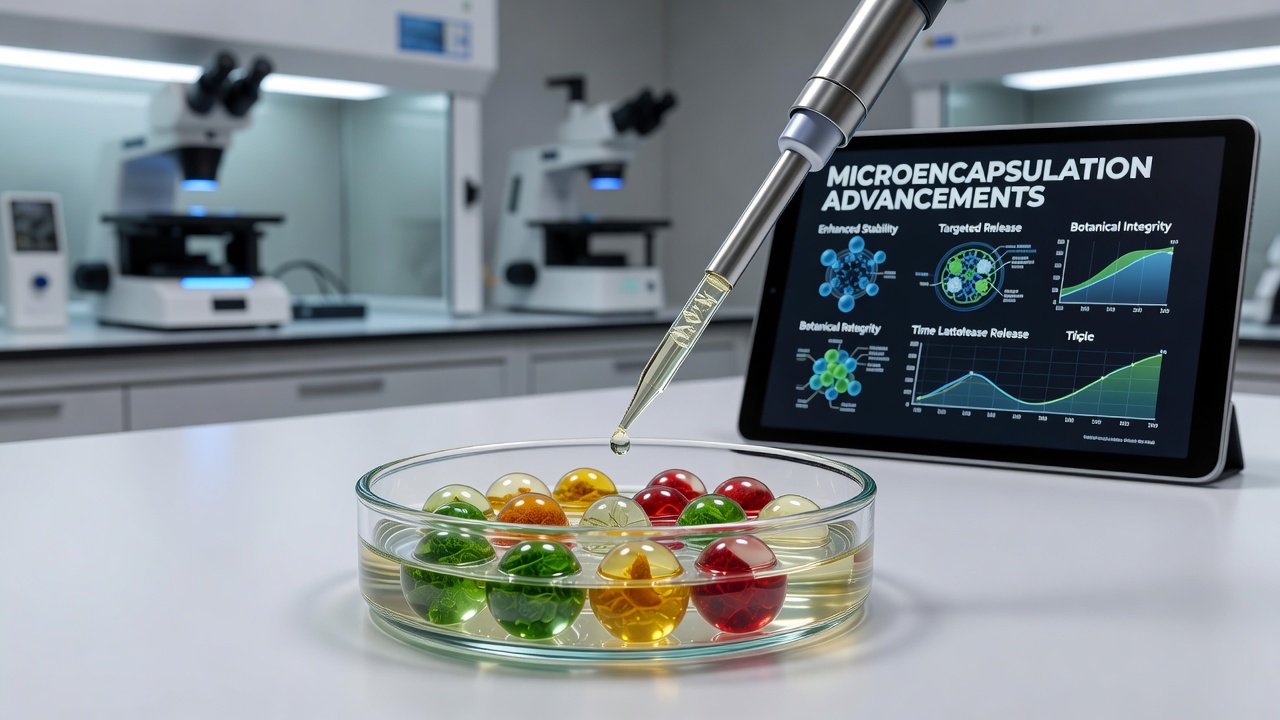
Researchers have documented how microencapsulation creates protective barriers around delicate compounds extracted from plants, shielding them from environmental factors that degrade potency during storage and consumption. This technology involves coating active ingredients with materials such as polymers, lipids, or polysaccharides, forming microscopic particles that range from nanometers to micrometers in size, and data from peer-reviewed studies show these particles maintain stability while enabling targeted release in the digestive system.
Botanical extracts like those from turmeric, ginger, and green tea contain polyphenols and other compounds sensitive to heat, light, and oxidation, yet traditional delivery forms often expose them to these elements before they reach absorption sites. Observers note that microencapsulation addresses this by controlling the timing and location of release, which improves bioavailability according to findings from multiple clinical trials conducted across research institutions.
Key Technological Developments Driving Change
Recent innovations include refined spray-drying techniques that use maltodextrin matrices to encapsulate volatile oils from herbs, while coacervation methods pair gelatin with gum arabic to form shells around water-soluble extracts. Data indicate these approaches have evolved since the early 2020s, with new wall materials derived from algae and cellulose offering better compatibility for vegan formulations in health products.
Equipment advancements allow precise control over particle size distribution, which affects dissolution rates and shelf life in everyday regimens such as capsules or functional beverages. Studies reveal that modified release profiles now align with circadian rhythms or meal timing, and researchers have observed higher retention of antioxidant activity in encapsulated forms compared to free extracts during accelerated stability tests.
Applications in Daily Health Products
Manufacturers incorporate microencapsulated botanical extracts into gummies, powders, and ready-to-drink formats that appear in consumer markets worldwide. One case involves curcumin from turmeric, where encapsulation prevents rapid degradation in the stomach and promotes absorption in the intestines, leading to measurable increases in plasma levels as reported in pharmacokinetic research.
Similarly, extracts from adaptogenic plants like ashwagandha benefit from lipid-based microcapsules that mask bitter tastes while protecting withanolides during processing. Figures from industry analyses show expanded use in fortified foods and beverages, where the technology supports consistent dosing without altering texture or flavor profiles that consumers expect in routine supplementation.
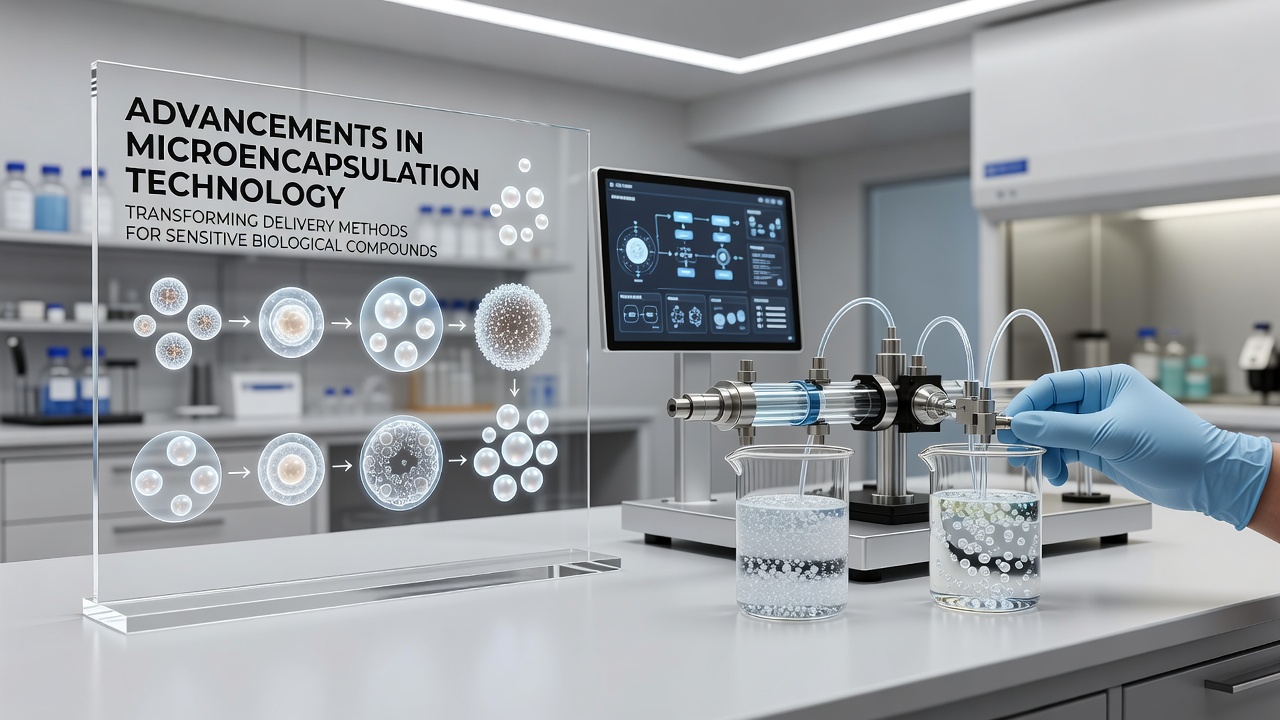
By October 2026, supply chain reports highlight increased adoption of these methods in North American and European production facilities, driven by demand for stable ingredients that withstand temperature fluctuations during transport. Those monitoring formulation trends note integration with personalized nutrition platforms, where microencapsulated blends adjust based on individual metabolic data collected through wearable devices.
Evidence from Research and Regulatory Perspectives
Evidence from laboratory and human studies demonstrates improved delivery efficiency for compounds such as resveratrol and silymarin, with encapsulation raising intestinal uptake rates by factors documented in controlled experiments. National Institutes of Health publications detail how these systems reduce first-pass metabolism effects, allowing lower doses to achieve therapeutic concentrations.
Regulatory bodies in the European Union and Australia have evaluated safety profiles of common encapsulating agents, issuing guidance that supports their use in food supplements when particle specifications meet established criteria. Data from these assessments indicate minimal migration of wall materials into the body, supporting broader acceptance in global health regimens without additional labeling requirements in most jurisdictions.
Challenges and Ongoing Refinements
Scaling production while maintaining uniformity poses hurdles, yet process optimizations using continuous flow reactors have reduced batch variability in commercial settings. Cost analyses reveal that although initial investments in equipment remain high, long-term savings arise from decreased waste of expensive botanical raw materials and extended product shelf lives.
Researchers continue exploring hybrid techniques that combine microencapsulation with nanotechnology for even finer control, and preliminary results suggest potential synergies with probiotic delivery systems in multi-ingredient health formulations. Observers tracking patent filings note steady growth in applications filed by companies operating in Asia and North America, reflecting sustained interest in refining these delivery platforms.
Conclusion
Collectively, these developments illustrate how microencapsulation technology has shifted botanical extract utilization from limited traditional preparations toward versatile, stable options integrated into daily routines. Ongoing data collection from longitudinal studies will further clarify long-term outcomes, while geographic variations in regulatory approaches continue to shape adoption patterns across regions.